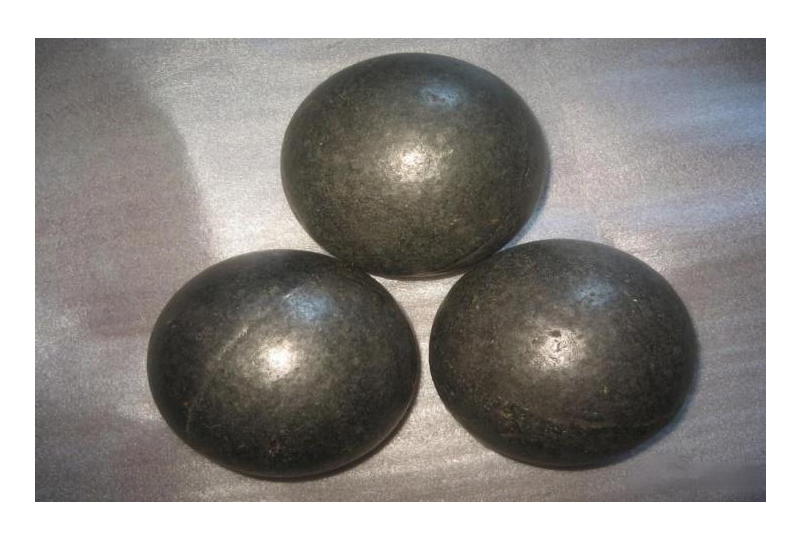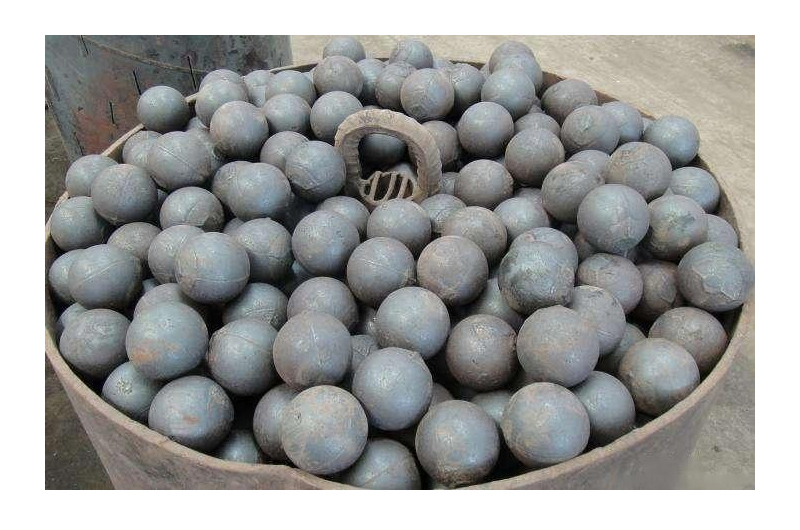

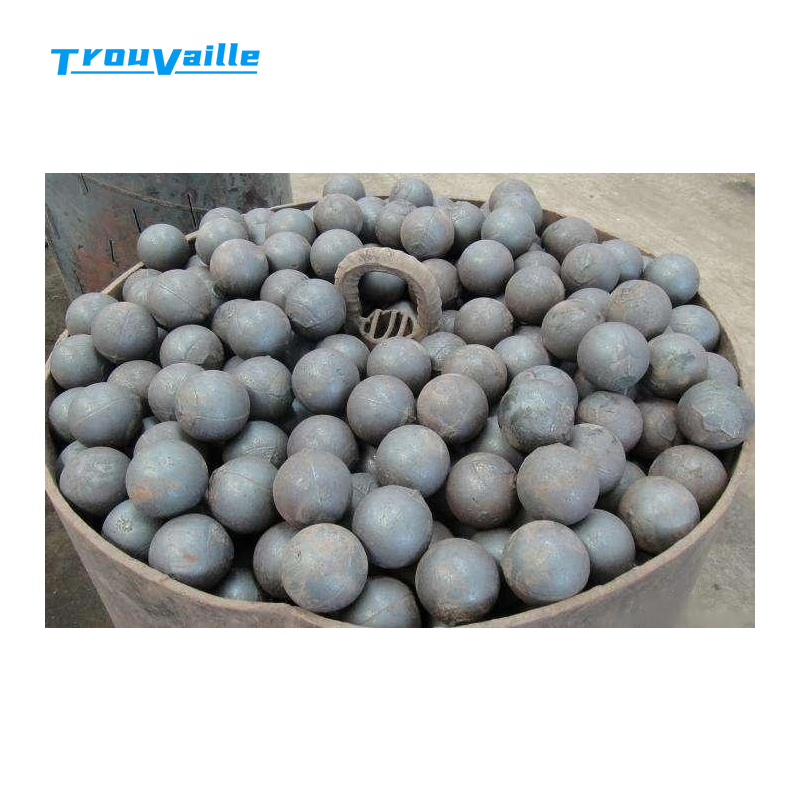
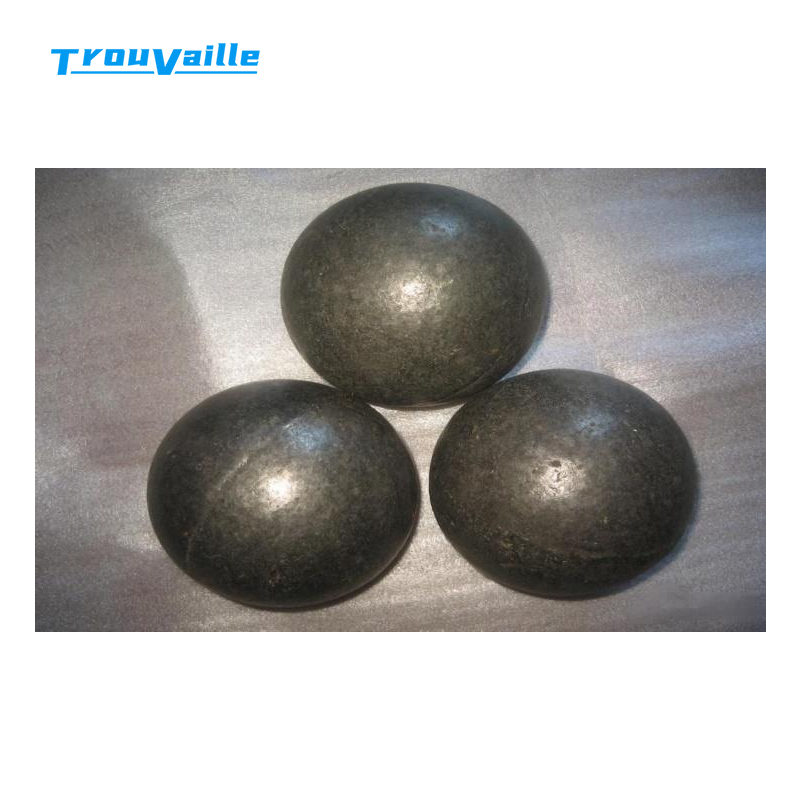
In cement clinker grinding and mineral ore fine crushing, wear-resistant alloy steel balls serve as the core grinding media in ball mills—their hardness, toughness, and wear life directly determine milling efficiency and per‑ton costs.
Manufactured from high‑chromium or medium‑low alloy steels with precisely controlled quenching and tempering, these balls achieve a surface hardness of ≥HRC 58 and a core impact toughness of ≥50J/cm², ideally balancing resistance to ore impact and long‑term roundness retention, thus minimizing breakage and ovality.
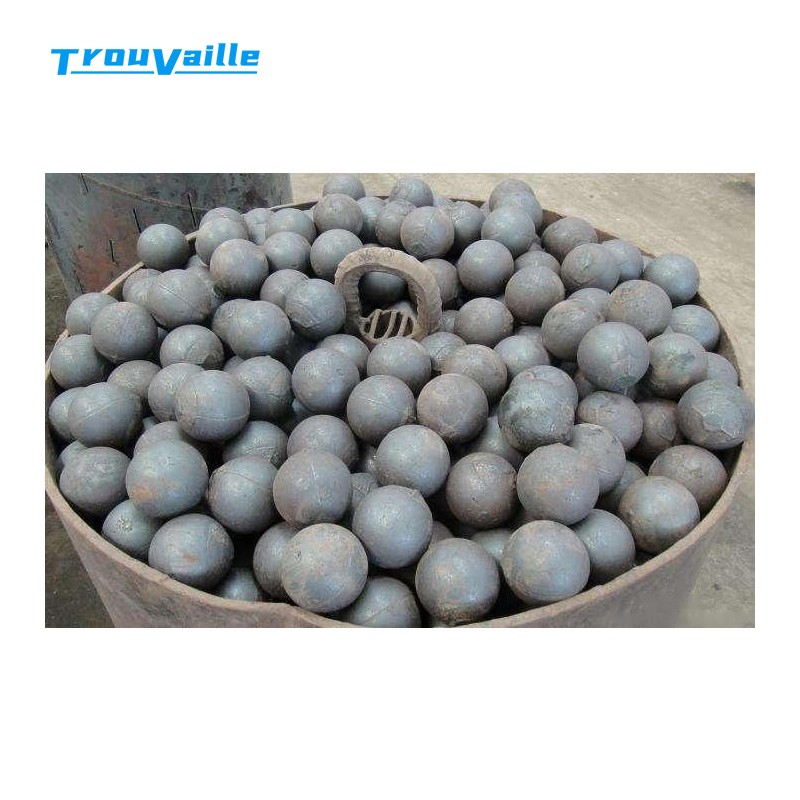
Just as a quality Chipper blade strikes a balance between edge wear resistance and chipping resistance, premium steel balls pursue the same “hard‑outside, tough‑inside” philosophy—the outer layer withstands abrasion while the core absorbs shock, extending media life and reducing top‑up frequency.
Their applications span cement raw meal and slag mills, gold/copper/iron ore beneficiation, power‑plant desulfurization limestone pulverizing, and quartz sand processing, with strict selection of ball sizes (Φ20–Φ120mm) and hardness profiles.
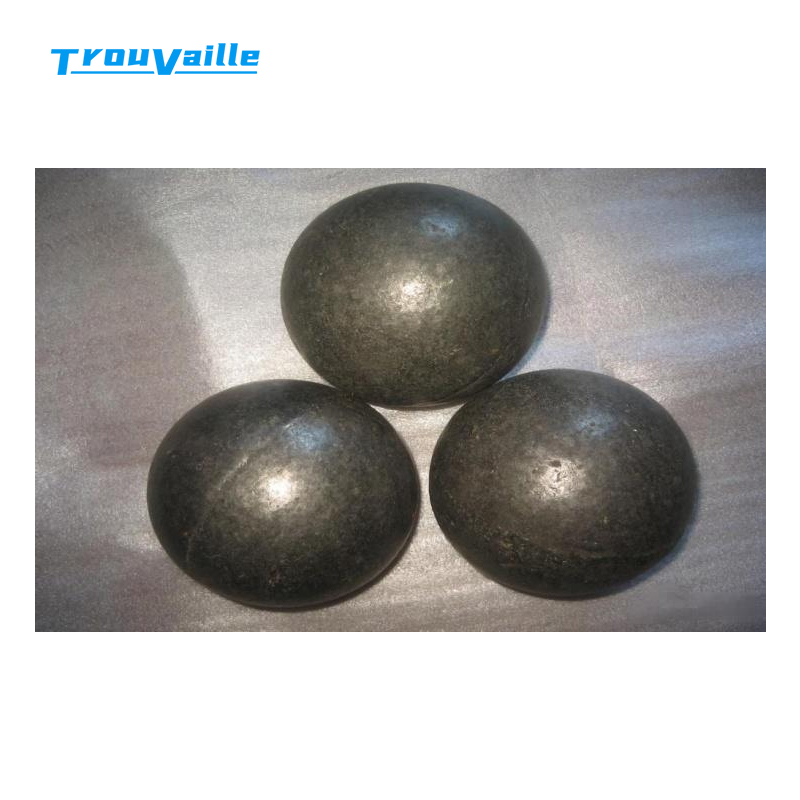
Choosing the right alloy composition and heat‑treatment regimen is akin to equipping a chipper with the appropriate Chipper blade—it significantly boosts throughput and cuts energy consumption;
while regularly monitoring ball wear rates and replenishing fresh media, much like replacing a worn Chipper blade, is a fundamental practice to ensure mill stability. Reliable wear‑resistant steel balls are not only a cost‑saving enabler for cement plants and mines but also a solid guarantee for continuous, long‑term operation.